

Inside the Energy Transition
Edition #6 - The New Risk Landscape in the Energy Transition
March 2026
By 2026, risk in clean energy is being experienced at the organisational level. It is showing up in how projects are staffed, how decisions are made, and how much strain leadership teams can absorb as delivery stretches over longer timelines.
Across markets, expectations have hardened. Delivery plans are examined earlier. Governance is tested sooner. Boards, investors and partners are paying closer attention to how organisations behave once complexity sets in, not just what they intend to build.
In conversations with senior teams, risk is most visible in the grey areas. Where accountability is shared rather than owned. Where capability is assumed rather than embedded. Where organisations take on additional scope without adjusting structure, leadership or decision rights to match.
This edition looks at risk as it is being managed in practice in 2026. Not as an external force to be anticipated, but as an internal condition shaped by execution, credibility and organisational readiness.
Our 2026 Compensation Guides are now live!
Whether you're building a new function, reviewing internal structures, or planning ahead for 2026, our reports combine verified placement data, real-time intelligence from ongoing mandates, and insights drawn from hundreds of conversations with candidates and hiring teams every day.
Download the 2026 compensation guides
The Conditions Shaping Risk in 2026
The energy transition remains active across markets, but scrutiny has intensified. Capital continues to move, projects continue to advance, and demand remains structural. What has sharpened is the level of examination applied to how organisations intend to deliver. Assumptions are being tested earlier. Timelines are being interrogated more closely. Boards and capital providers are placing greater weight on the depth of leadership, clarity of governance and resilience of operating models before scale is approved.
United States
- Capital remains concentrated around platforms with visible pipelines and credible delivery track records, increasing focus on execution capability rather than growth narrative.
- Interconnection backlogs and permitting complexity continue to extend timelines, elevating the importance of sequencing, coordination and experienced operational leadership.
- Ambition remains high, yet boards are spending more time assessing whether internal structure, accountability and decision rights can support sustained expansion.
Europe
- Investment activity is measured and disciplined, with projects frequently phased to manage exposure and preserve capital efficiency.
- Regulatory oversight and cost sensitivity have reinforced formal governance frameworks and earlier risk mapping within organisations.
- Overall hiring volumes are more selective, though demand for senior operators and delivery-focused leaders remains consistently strong across core markets.
Across both regions, the energy transition is being evaluated less on intent and more on organisational readiness. Delivery capability, governance clarity and leadership depth now sit alongside strategy in determining which platforms advance confidently and which encounter friction.
Sources: International Energy Agency, BloombergNEF, Lawrence Berkeley National Laboratory, European Commission, FERC.
How Experienced Teams Are Managing Internal Risk: US vs Europe
The United States and Europe continue to operate under different structural conditions in 2026. Capital availability, regulatory frameworks and project timelines still vary. What is increasingly aligned is how senior teams are approaching internal risk.
In the United States, scale continues to amplify both opportunity and strain. Larger pipelines and faster capital deployment mean organisational complexity accumulates quickly. Experienced leadership teams are responding by strengthening operational layers earlier, clarifying decision rights before expansion accelerates, and ensuring delivery accountability is visible at board level. Where internal structure matures in step with growth, execution remains steady. Where it does not, friction becomes visible through missed milestones and cost pressure.
In Europe and the UK, tighter capital discipline and regulatory scrutiny have reinforced a more measured pace. Senior teams are investing time in governance design, sequencing and escalation routes before projects advance materially. Leadership groups are often smaller and more closely aligned to execution detail. This can moderate speed, but it reduces the likelihood of unresolved risk accumulating beneath the surface.
The convergence is notable. On both sides of the Atlantic, experienced teams are placing greater emphasis on organisational resilience. Decision-making authority is being pushed closer to delivery, reporting lines are being simplified, and leadership depth is being evaluated as carefully as pipeline size.
In 2026, the difference between stable and unstable platforms is less about geography and more about internal maturity. Risk exposure is increasingly shaped by how organisations are structured and led once complexity sets in.
Conversations in Cleantech - Season 10: Digital Infrastructure Deconstructed
Catch up on our latest episodes:
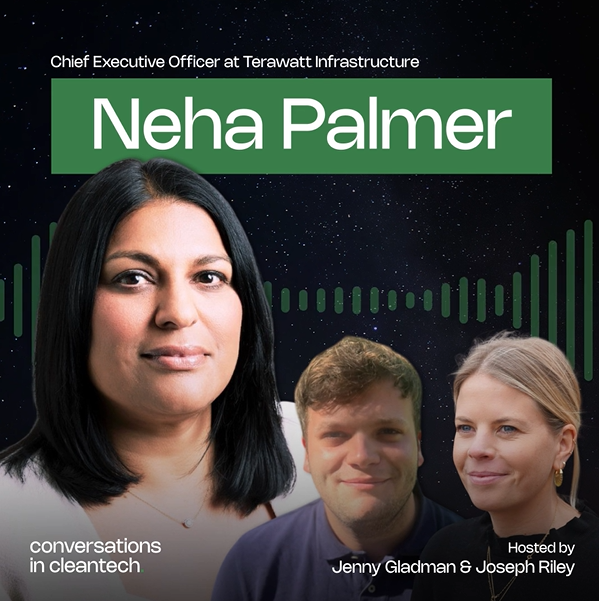
Neha Palmer CEO at TeraWatt Infrastructure
From utility engineer to data centre strategist at Google, Neha’s story isn’t your typical founder’s arc - and neither is her company. With TeraWatt, she’s reimagining EV charging infrastructure not as hardware, but as high-uptime, capital-intensive platforms built to power fleets and autonomous vehicles at pace.
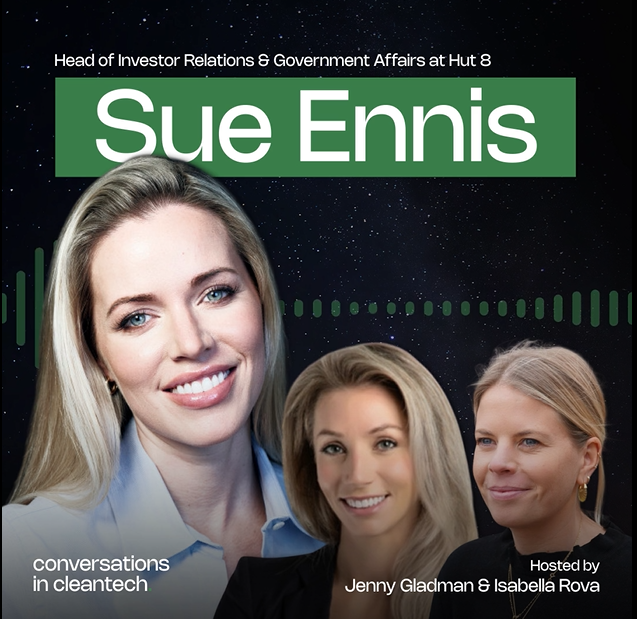
Sue Ennis Head of IR at Hut8
Sue brings a rare perspective from inside the evolution of crypto, energy arbitrage and now AI infrastructure, cutting through media noise to unpack what’s actually happening across grids, capital flows and supply chains. From copper and cooling to tradespeople and transmission, this episode zooms out from hype and into fundamentals.
Upcoming Episodes
Releases 17th March 2026
Releases 14 April 2026

When Investors Start Asking About Your Leadership Team
As capital continues to move across the energy transition, investor scrutiny is becoming more detailed. Attention is increasingly focused on the organisation behind the opportunity.
Leadership depth, clarity of decision-making and delivery track record are playing a more visible role in how risk is assessed. Investors are looking beyond the asset itself to understand whether the team in place has the experience and structure to manage complexity over multi-year timelines.
Our latest article explores how this dynamic is shaping capital conversations across the US and Europe, and why internal capability is influencing confidence at board and investor level.
Current Opportunities in Europe & the US
Head of Project Finance Austin, Texas, USA
Senior Grid Expert Rome, Italy
Project Engineer United States (Remote)
Head of Planning London, UK
Project Finance Manager Washington D.C., USA
Head of Corporate Finance United Kingdom (Remote)
Director of Grid Analytics United States (Remote)
Head of Product London, UK
Technical Operations Lead United States (Remote)
Project Developer Hamburg, Germany
On the Road – Global Events You'll Find us at!
Our team will be out in the field, connecting with clients, candidates, and partners across the clean energy ecosystem. Events are where ideas turn into action and where we get the chance to hear directly from the people driving the transition forward.
Come and find us at:
Data Center World
EV Charging Summit & Expo
DCD Connect

Let’s Talk Talent
In 2026, many of the most material risks sit inside the organisation. Leadership depth, decision clarity and delivery experience are influencing outcomes as much as market conditions.
Brightsmith works with boards, founders and executive teams across the energy transition to strengthen the parts of the organisation that carry the most weight under scrutiny. From operational leadership and project delivery to commercial and strategic roles, we focus on bringing in people who can absorb complexity and make sound decisions when timelines stretch.
If you are reviewing leadership structure, succession or delivery capacity this year, we are here to support that conversation.

